These transcripts deal with themes of mental illness and trauma
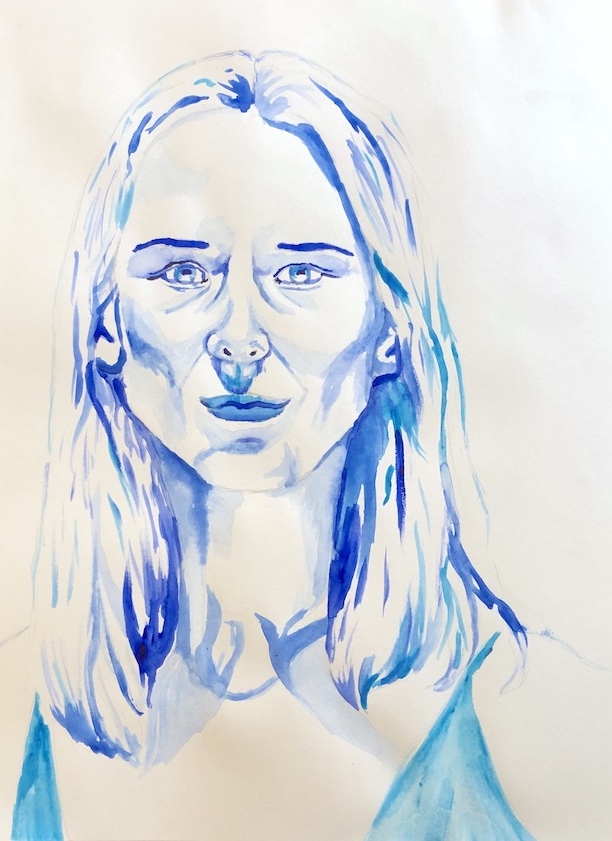
Okay. So please state your name, your age, and your gender identity and presentation.
So my name is Maya. I am 22 and I identify as female and present as female.
Um, so how have you been officially diagnosed with mental illness and if so, with what?
Yeah, so I’ve been diagnosed with anorexia, um, generalized anxiety, and major depressive disorder
Were those all at the same time or was it kind of like a staggered?
Um, it was staggered. I think it was anxiety and depression when I was like, no, probably anxiety honestly in like third grade depression, like seventh grade and then Anorexia when I was 16.
Okay. What was the process of being diagnosed like for you? Like was it different for each one of those or like how did that come about? How’d you feel about it?
Um, I still hate like seeing my diagnoses. I was recently had to like have my therapist fill out a form because I was applying to this program and um, to like state that I’m fit to go abroad basically. And it looks… I like saw her writing my diagnoses on it and I’m just like… to me it seems like overlaying them onto my identity or something and I… I don’t… I don’t want them to be a part of my identity or a part of me. Especially because there are times when I think like my diagnoses aren’t a part of my life at all, like I’m doing really well and I’m like, I’m… I’m not… I don’t feel depressed right now. I don’t have depression right now or whatever. So that’s one thing.
I think the one that I had the biggest problem with was anorexia because like… I had so many clinicians expecting me to like come in and have very typical symptoms of like… refusing to eat and like, uh, you know, overexercising and things like that. And mine manifested… that’s how it started when I was 16. But that phase of it really only lasted for three months. And then it morphed into like, I don’t know if you’re familiar with orthorexia, but like, it’s basically just like an obsession with eating really healthy. Then that’s what it was for like basically five years. Um, but I was still underweight. So because I was underweight, it was anorexia, which was, I was like… felt like, this isn’t accurate. So that, that was always really frustrating.
Yeah. What, um… treatment…. actually, um, this will come up in the next question, so I’ll just ask it. So the question is basically, what is your experience with mental illness so far? This is kind of like, what’s your… what’s your personal history insofar as you feel comfortable talking about it, like what’s been the journey that you’ve taken from…. from the point that symptoms started manifesting to now?
Okay. So like I said, even when I was like nine years old or younger than that, honestly, my whole life I’ve just been like, had really bad anxiety. Um, when I was in elementary school, I would have really like intense phobias that were irrational. Like I was triggered by totally random things in that would last for years. So like I was super afraid of going into cities or like going to an airport. I had really bad OCD. And would like wash my hands until they were raw and things like that, which I think is pretty typical among like people with childhood anxiety and that went away by middle school. Um, but then in middle school I just became very depressed. Um, mostly like through seventh grade, which I think was somewhat an effect of just like seventh grade girl cattiness. Middle school’s horrible. Um, but that was the first time that I… seventh grade was the first time that I like… experienced… not experienced… experimented? That’s… that… that’s a bad word too with self harm.
In terms of eating or in terms of…?
No, um, there was… there were no eating issues at that point. It was like… cutting and then like kind of some suicidal ideation.
And then I was… eighth grade, mostly fine. And then like, you know, depression would like come in and out. I guess I should mention also that like when I was young because I was so anxious it like caused me to be depressed. Um, and then in high school it was kind of the same thing, just like depression and anxiety, you know, coming in and out of the picture. And then… I kind of view my life as like pre eating disorder and post eating disorder because I truly am a different person. Um, so…
In what way?
So well I can… I can go into that. Um, so when I was 16 my… I… I was dating… this is part of it, but like I was dating a boy who is two years older and he was going to go to college, which was really stressful. So the summer going into my junior year of high school, I was stressed about that. I was stressed about like starting the college application process and I think that there were just like a multitude of factors that I like… I ran track so I was like coming out of the track season, I was in really good shape and I was like, I’m just going to start eating really healthy. And it was totally benign but it just got way out of hand and I lost a ton of weight in one summer and that’s like the three months in my life that I’m like, yeah, I was like not eating. I was definitely like… had typical anorexia symptoms. So then I went to treatment. I was like hospitalized. Um, and that really only lasted like 10 days cause I wanted to be out before my boyfriend left and wanted to be out before school started. So I rushed the process, which I wish I could like honestly, I… I don’t regret things like, I don’t believe in regret really, but that I… I wonder how things could’ve gone differently otherwise. So yeah, throughout high school, it was this constant battle between like me… like always like being just… just super like… I became really rigid about everything. Like when I would go to the gym, what kinds of foods I would eat. Like I would only eat foods I deemed healthy.
And like, to this day I still struggle with like staying out late because I think that like, that I won’t be able to wake up early to go to the gym in the morning and like, um, doing social things that might present like foods that I don’t want to be eating or… and like, I’ve worked countless hours to kind of like fight that and I’ve definitely gotten a lot better. Um, but I just became like a much more… whereas I used to be socially like outgoing and comfortable and like one of those people that would walk in a room and like talk to everybody, I just became like much more subdued and like much more introverted.
And then I came to college and, you know, everything continued and kind of got worse and worse because I was like… left to my own devices until two summers ago.
Summer after freshman…?
No, summer after second year. Yes… yes. Um, things just got really bad. Um, and I was… had stopped seeing, like I was seeing a therapist and a dietitian intermittently through high school and college. Uh, the eating disorder program at UChicago is literally horrible. Um, so I stopped going at all so I wasn’t seeing anybody. And then like things just got really bad. So summer after second year, I remember, um, I was at the doctor for some reason and she was taking my heart rate and my heart rate was just like really, really dangerously low. And they did an EKG and that was like really scary as well. So they sent me to the ICU. Um, fun fact when you get a doctor’s note to go to the ICU, they’re like, “well, there’s no bed ready. So like, you know, go home, pack up your stuff and just like wait in the lobby until there’s a bed open” and I was so I literally walked… no, I biked home from student health with like this apparently like dangerously low heart rate and like… proceeded to go home. I was like kind of hungry. So I ate lunch and like… got an overnight bag and then went to the hospital. Um, and I like called my mom and she flew out and spent the night with me at the hospital. Um, so…oh, back up a little bit. So that summer it was my plan to stay in Chicago and work part time and then do like an outpatient, like an intensive outpatient rehab program
After you got this…
Before the hospital, which would be like 12 hours a week. Um, so I was already like, had started doing that program and I was feeling good about it, um, them I was sent to the hospital. And then when I told them that I called them and was like, hi, like this happened. They were like, “oh, you need to be like in residential treatment”. I was like, ah, fuck. It was like arguably the worst day of my life. Um, cause when I was in residential in high school, it was definitely the worst week of my life, or worst 10 days. Um, and I was like remembering that. So yeah. Uh, I did the thing, I went to treatment, I was in residential for like six weeks and then I was in like a day program, which was eight hours a day, seven days a week for like another four weeks, which is actually a pretty fast timeline compared to most people. Then I did the same like intensive outpatient that I started at. I did that like halfway through or most of the way through fall quarter. So I went to a school part time and I had to like… I was supposed to go abroad to London and I couldn’t do that. Um, and then since then I have just been like seeing my therapist, um, and have been doing… it’s been over a year now since I have left, you know, treatment and I’ve been doing a lot better. Um, I’m a lot healthier. It’s like, it’s definitely hard to stay healthy, but I, uh, every day is kind of a battle, but I’ve been, um, it gets easier. So yeah.
So this treatment was significantly more successful than what you did in high school?
Yeah, I mean it was also a lot more intense and a lot longer.
And you seem like you’re more… you were more receptive to it?
Yeah, completely
Why do you think it just… it took a while for you to get accustomed to the idea of you…?
I think part of it as I was just like so sick of living with like this thing in my life, which was the reason that I like decided to go into the outpatient program before I was in the hospital is because I wanted to do something. Now did I want to, you know, do residential treatment? Of course not. But like I wanted to be better. And I think in high school, like I’d only been dealing with it for three months and honestly like I knew something was very wrong with me, but like when I went to go talk to somebody at treatment, I thought they were going to keep me for like three days. Like I had no idea what I was getting into. Um, and I also thought that it was a thing that was going to be out of my life within like a month. I thought I was going to be better in 10 days, you know, and I think my family thought the same thing, which is why they were like, “yeah, you don’t need to stay” like, I didn’t think it would be affecting my life for the next six years.
Yeah. Um… um, I have a lot of questions, I’m trying to parse through which one to ask first…Okay. Um, I guess so.. so you were diagnosed with anxiety, depression, like way, way for it sounds like, were you ever in treatment for those before the eating disorder or was it just kind of like this is a thing?
Nothing outside of like therapy.
So no medication, it was mostly therapy?
I did. So I tried medication. Like I think I was a sophomore in high school, um, or maybe I might’ve been a freshman. Uh, it didn’t really work, so yeah. And Yeah. Oh yeah. Medication’s obviously a part of this, like I’ve been taking, um, I’ve been through like the gamut of different, like, you know, antidepressants. Um, and finally found one that worked and now I’m actually like weaning off it. Um, which is nice because I’ve been on it for like over a year,
Yeah. What, um, what role do you think the eating disorder was kind of played in your life? It sounds like it started at a point of like… high anxiety and I know there’s like this idea of it is the way to exert control. Do you feel like that’s true for you or…?
Yeah, for sure. The control thing. I think like when I get really anxious, it’s because I have a lack of control over events, really things that are happening and, it seems to me, it seems to my mind that my eating disorder is something I can control. Um, really it’s not, but that’s how it feels and it feels like a safe place. Um, like I feel like honestly, it’s like checking something off a list. Like, I’m being productive when I can’t do anything else. Or like I’m being successful in a way. And I’ve… you know, obviously thought about this a ton because of all the work I did in treatment. And I think like a lot of it also is, it’s like an addictive behavior. So like to, you know, draw the metaphor between like a drug addiction, you crave it and then like, as soon as you do it, you immediately feel better, um, for a little bit and then you feel shitty again and then you crave it even more. Um, so that’s exactly how it would like describe my eating disorder.
Did self harm fulfill a similar role for you or was that kind of a different…?
So long ago, like I really, uh, I honestly don’t even know how to answer that question cause I was so young. I think part of it was, I just was like, really… I was so sad and lost and I didn’t know what to do and I didn’t want to like… bother other people with my problems, but I don’t really consider that relevant anymore because I… I don’t think about self harm anymore. Not like that kind, I guess. Like, you know, eating disorders are a different type of self harm, but….
I guess, what are the…. um, things that you’ve tried to do to disrupt that kind of addictive mental patterns? Like what, what sorts of things were helpful and treatment that you’ve now continued on?
So like definitely eating foods that I was like wouldn’t touch before, like dessert or Mac and cheese or like, I dunno, muffins, things like… the list goes on. Um, but making sure that I’m not like sticking to the same old foods all the time. Also being really honest with like my support network, like my best friends and my family about how I’m doing to kind of… have some accountability and forcing myself to go out and go to parties because like, sometimes every fiber of my being it doesn’t want to. Um, but I think that like by continuing to expose myself to it, it prevents me from like going into that isolated place that’s really dangerous. So I think those are like the main things.
So kind of trying to disrupt your… like force yourself to change your habits as a way of trying to break up this mental cycle?
Yeah.
Um, so you… you said specifically you don’t want to think of your mental illness as… as yourself. Like how do you, how do you conceive, like what relationship would you say that you have with it? And like, since they’re three you can…. you can answer these separately for each one if you feel like it’s different, but like…. yeah, how do you conceptualize of it?
So I feel like… my anxiety, I’m more okay with like having that be part of myself because it’s literally been with me my whole life. And I see like… I see it in my dad too. Um, and I… I feel like it’s more of a trait, um, of… of my personality. And it can also like, you know, work in, um, beneficial ways. Like I never procrastinate and like I’ve always gotten… I mean, this is part of the problem, like society kind of affirming how my anxiety manifests, but like I’ve always gotten really good grades and like have been lauded for, um, you know, trying really hard in school or like in whatever I do, kind of. And that’s, you know, it’s.. a lot of it is my anxiety. Um, but like at the same time I kind of do see it as part of myself. Like I don’t… if I wasn’t an anxious person, I would not be who I am for better or for worse.
Um, so my depression I think is more uh, situational, it comes out most when big things happen that sent me off. Um, for example, I’ve… you know, been struggling a lot lately because I just went through a breakup. Um, but I don’t consider it as much a part of myself because that seems like it has external causes as opposed to like internal causes.
Um, and then I talked a lot about like, I really don’t want to see my eating disorder as part of myself because I’m still trying to like find that person who I was before it happened because I know that like deep down I am that person and I think that like last spring, early summer, I was as close to being that person as I have been since all of this started. So I know that it’s still in me. Um, and I think if… as soon as I started identifying…. as soon as I conflate my identity and my eating disorder, like, that is dangerous. Like, that’s like acknowledging that like it will be with me forever and like accepting that, um, in a sense that… like being complicit instead of fighting it. Like I don’t think… I don’t think that I’m ever going to be exactly the same. Um, I think that this probably will be something that stays with me my whole life, but also that’s different than like… accepting the effect it has on me. Like I’m… I want to continue to fight it and if I conflate it with my identity, I don’t think I’ll continue to fight it.
So it’s a way of provoking yourself into taking a more active role as opposed to passive?
Yeah.
Yeah, that makes sense. And are these… so it seemed like when you first got diagnosed with the… with the eating disorder, you kind of really, really didn’t see as a part of… it felt like a very temporary thing to you. Is that like one of the major shifts and like… because I guess the question is like… how has that changed from how… like how you used to see all of these things? Is that the biggest change?
Yeah, I think that, yeah. No, that’s definitely right. Um, like when it first started, it seemed more like a behavior and now it seems like.. or like a habit and now it’s like a… like a way my brain operates. Um, if that makes sense. Does that make sense?
Yeah.
Yeah. Like I’m trying to think of like a… something to compare it to. Um, but like, okay, this is a good comparison. So like… when I first was diagnosed, it felt like being diagnosed with like a broken leg, I was like, this is going to heal. And there’s like a pretty set timeline and now it feels more like I’m having something like MS or I dunno… diabetes where it’s like something that you need to be aware of constantly and careful, but like not… still not a part of my identity.
Something chronic?
Yeah. Yeah. Something chronic. Um, and something that maybe someday like… it’ll be so… such a like tiny part of my life, I won’t notice it, but I can’t like bank on that.
What are the spaces in your life where you’re most trying to negate its effect?
Um, definitely the social sphere. Like I think that it… the ways that it manifested or manifests has affected like my friendships. Um, which is like the last thing that I want ever. Um, you know, I want it to be able to like… go out with my friends and maybe decide to like go to shake shack on the spur of the moment and like, be okay with that. And I think that like… the fact that I’m not okay with it or that like, I kind of avoid situations like that… definitely… just like the rigidity has… has caused a strain between my… my close friends and I. Um, so that’s one.
Another big one is just my health. Like, I… I try…I have an incredibly high metabolism. Um, and… now I do. Um, and like I… being underweight is just like… wreaks havoc on your body. Um, like I’ve dealt with having Osteopenia, which is different from osteoporosis. Osteopenia is reversible, but also like, I’m not trying to fuck with that. And like I’ve had stress fractures and like physically, I just like when you’re… when you’re underweight, you feel like… just like so weak all the time and like achy. And, um, like I said, I’m in a much better place now. Like I’m still not where it should be probably, but like nowhere near how bad I used to be. Um, and right now it’s really just a matter of like… trying to eat like a football player, which I’m like… is uncomfortable and I’m just too lazy most of the time. Um, but I don’t want to sacrifice my health. So that’s the other big one. Social and health. And also I guess like my inner peace (both laugh) is the third one.
Yeah, that’s fair. So what are the… you mentioned big changes like this breakup. Are there… are there any… are there any other specific things that tend to trigger the worsening of it that are like… like this specific type of change or this specific type of thing that I might… encounter in the world, like does that… what… what makes any of these mental illnesses worse than a day to day basis?
Um, definitely just like the, the common ones, like schoolwork, being stressed about school, um, being stressed about… I dunno, money or like, you know, normal college student worries, those are big ones. Um, I think like more, tumultuous events that I can point to would be like, you know, going through that breakup. Um, so big events like that I think… kind of send me spiraling downward. Um, but when there’s just like a lot of like noisy stress that can also like… I think it happens more slowly, but that also sends me spiraling downwards. So like during the summer, last summer I was doing really well because I didn’t have school to worry about and like all the other things. Um, but then as soon as I… I was like in this relationship… and I really liked him, but it was definitely like a cause of stress in my life. And like as soon as I got more involved with that, I saw… like looking back on it, I see how my mental health deteriorated. So does that answer your question?
Yeah it does. What are the specific things on a day to day basis that… that you do or that can happen that make you feel better? So not just like how you’re actively working against it, which you describe… like actually like bring your mood up…aside from lack of stress.
So I think like one really good example that I’ve been trying to do more is when I… when I feel stressed or like depressed, I want to isolate. Like that’s the first thing I want to do. So like making sure that like when I get home instead of going straight to my room, like talking to my roommates for a little bit, which is like… I was talking about how I think I’ve had like a strain on my friendship. Like that’s one way is I would like just go home and like say hi and then go in my room and like close the door. So not doing that like… social interaction, um, for sure or calling my mom. And then I think that like, of course I can’t discount art. Like art is a huge part of… just like I… I can, I feel like it’s the only time when I’m… I feel like my mind is clear. Like I do a lot of yoga and I try to meditate, but like even that doesn’t quite do it like art does. Like I’m like, oh, for like four hours, I just wasn’t thinking about everything. So that also is really helpful.
You… you said you see your anxiety in your dad a little bit and you call your mom. Have they generally been like.. understanding of mental illness and like a big support system?
Yeah, I mean my parents are incredible. Um, my mom is my best friend. Um, I tell her everything and she has been like so supportive throughout everything. Um, and I usually say that like with mental illness, it’s really hard to kind of understand something if you haven’t been through it. But like, that woman has done so much to try to empathize with me. I just like… I’m gonna start crying of like tears of love with… for my mom. Um, my dad, he… so I think, yeah, I see a lot of my anxiety in him and also he like my entire childhood, um, which I guess I probably should’ve mentioned this earlier cause it’s a big part of my eating disorder, he’s just always like… he ran marathons and he would eat really healthy and like everything had to be nonfat.
Um, like I have this memory of being four years old when my dad decided that we couldn’t have anything with polyhydrogenated oil in the house and like I was four, I didn’t know how to spell that obviously. So I remember like going through the grocery store with my mom and like looking at food labels, trying to find ingredients that started with “p” to be like, “mommy, can I buy this?” Like, so he… um, he really, really struggles with anxiety also. And it’s hard sometimes to be around him, but also like the way that I’ve seen him change for me and like make sacrifices for me. I just like, I… he cares so much. You know, like, I think as I was going through recovery in high school and my mom was like making me eat food that I didn’t want to eat, you know, the whole family was eating them at dinner and he didn’t want to eat them either or like… him not like… if we went on vacation or something, like not working out so that I felt more okay not working out. So he’s… he’s…. I think it’s harder for him to be supportive, but he’s trying his best. Um, sometimes I wish he would acknowledge more. I think he would be happier if he would acknowledge that he like… struggles with anxiety, but he’s of a different generation and like a German family who didn’t acknowledge feelings and so he’s doing pretty well.
That… that kind of leads into my next question, which is how much do the people know… around you know about your mental illness, whether that’s your family or your friends or like people you’re first meeting. Like how do you… and how do you talk to them about it?
So my… my family- my parents, um, know, mostly everything. Um, and my two roommates who are my best friends also know mostly everything. I’d say I have a close circle of friends in college who know, you know, most of the story. Like obviously I think I struggle with like trying to make things seem better than they are. Um, a lot of the time. But of the people who know about my mental illness, those were the ones that like know the most and I would say that they really do know most of it. Um, beyond that I like… I was never one of those people who felt comfortable like posting on Facebook about it or um, really admitting it to like a wider audience. So yeah, I’m not super… I’m like a pretty private person I think. And it takes me a really long time to trust people and tell them like these intimate things about my life. Um, but the people who know about it, know a lot.
Do you… communicate with them when things are going worse and like how do you have that conversation with them?
I think that that’s something that I’ve been trying to do more. Um, so like my roommates can tell when I’m not doing well and like… if they’re not the first ones to come ask me, then I usually just like tell them… partially just because I like don’t want them to think that I’m blowing them off or something. But like, “hey guys, like I.. you know, I’ve really been struggling”. Um, and I think like with my mom, I usually like… if something terrible happens, she’s usually the first one I call. Like, when I broke up with my boyfriend, I called her right after. So she always knows kind of what’s going on in my life. Um, she always jokes that like when she doesn’t hear from me as much, she knows that I’m doing well because I always with the bad things (Maya laughs), which I’m like, “oh no, I’m sorry”.
Um, but yeah, I think I also have like different friends that I go to for different things.
(Section Omitted)
Um, you talked about it kind of, you’ve talked specifically about eating disorder your friendships in terms of like having… feeling more of rigid constraints on what you can and can’t do. What are… if there are… what are some other ways in which, um, your, your mental illnesses color, your social interactions, whether that’s like in terms of how people interact with you or how you internally feel in terms of like maybe comfort or negotiate in those interactions?
Um, I think that like there was a big portion of my life… and sometimes I still fall into this when like this would… this was more in like social settings, like at a party or like in class or whatever. Um, when I felt like I didn’t like… it was like, “who would want to talk to me, you know what I mean? Like I’m not worth it”. Um, so I would just be like very subdued and not reach out to people. Um, I’ve gotten a little bit better with that. Like if I’m at a party I like try to, you know, talk to people and make new friends. Um, I think that that’s like one thing treatment helped me a lot with is like… feeling better about my own self worth.
Yeah. I think that like, other than that… like I do get a lot of social anxiety about being in groups of people I don’t know. Um, and that’s how it manifests is like me not really talking to a bunch of people and it really depends on my mind state. Like if I’m in a good state of mind, I love meeting new people and I’m fine with it. Um, but other than that, I don’t think it really affects my social interactions quite as much. Well, I guess with acquaintances, with my close friends, like with people I live with, it definitely does, which I kind of talked about a little bit, like coming home and going straight to my room or like the other day, um… this was yesterday, my roommates… they came into my bedroom and were like dancing and for playing music. And I had just been crying cause I had a really rough morning and I kind of just like looked down and I was like, “sorry guys, like I’m really tired”. And it came off like really rude. And then I like went to go apologize to (insert name of roommate). I didn’t realize that like I had made her really upset and she was crying. Yeah. And she’s also going through a bunch of stuff right now.
So it was like… just like things like that where like my… like my mental illness seems like the center of the world and it then like affects my best friends and I don’t like that. Um, I don’t like making other people feel shitty because I seem like I’m not like… I don’t want to be talking to you, you know? It’s like that’s not the case. The case is that like, I’m totally in my head right now, but like people don’t understand that like…you can’t convey that.
So it seems like in terms of dealing with other people with mental illness there’s like this the sense of like… they understand and you talk to about it but also if there’s this tension of like sometimes those interact at odds with each other?
Yeah I think so. Like um, they can understand but also I don’t want to bring me overall mood down cause like we’re both struggling. Does that make sense?
Yeah. Do you think that that kind of summary is generally like… that… you would describe that as how you interact generally with other people with mental illness?
Yeah, I think that like… sometimes you just need to have conversations where you’re like, “today was a shit day and I feel super fucking anxious” and like wallow in that for a little bit but that can’t be every single conversation. You know what I mean? Like you also need to like have moments where you’re like, “okay, now we’re going to laugh”. And like your whole life can’t be surrounded around like… talking to other people, like to people with mental illnesses only talking about their mental illnesses. Even when I was in treatment, like we were all there for the same reason, but those moments of levity were so necessary, you know, um, like that’s really the only way that you can get through.
Was treatment generally good for like… figuring out how to establish these sorts of communities?
Yes and no. I think that like the community… the people I met in treatment were incredible. Um, and I’m still friends with some of them. Um, but it’s like making friends in a treatment setting is really kind of hard because you all recover at different rates. So like when I was doing really well, some of my friends weren’t. And like that’s when you need to make the decision, do I want to keep this person in my life and potentially have it affect my recovery or don’t want to cut this person out because they’re bringing me down and like… I did have to… cut some people out of my life because they weren’t getting better and it wasn’t helping me. And that’s like a really hard thing to do and it feels like betrayal on my end, like to that person.
And I think that that’s like honestly such a… a big issue with like… being really close to other people with mental illness. Like with my ex boyfriend, his mental illness was bringing me down and eventually I had to be like, “I can’t be with you because it’s not healthy for me and I need to think of myself first and foremost”. I feel like it’s different with like my… roommates and like I have… like my other friend who has bipolar disorder is like my third best friend at college and she doesn’t live with me. But I feel like with them we became friends… well, no, it wasn’t…. I guess like, okay. So we became friends not around the context of mental illness. And I was going to say that that’s why it’s different. But I don’t think that’s true because like I didn’t start dating my boyfriend cause I’d met him in treatment. I didn’t meet him in treatment. Met him totally normal and whatever. Um, I think that like… you just can’t let it affect your relationship to the point where it’s like detrimental. Yeah. That’s really my only answer. Yeah. You just have to be normal college student friends sometimes.
That’s totally fair answer. Um, so I’m gonna shift gears a little bit. So what… just like I asked your personal history in terms of mental illness, what’s been your personal history as someone who identifies as a woman? And like, you can answer that however you want, but I am interested in terms like a lot of your art deals with women’s issues and… and eating disorders are sort of like coded as a more femme mental illness, which is problematic in a lot of ways…
More problematic for men actually I think.
Yeah.
Well if you’re a man with an eating disorder. Yeah, I think that like… so I… I’ve always identified as female, um, and presented female and that I kind of didn’t think a lot of about it maybe until college. Um, probably… probably high school, I started thinking about it in high school just with like what it means to be a woman in like a male dominated world essentially.
And what made you start thinking about it at that time?
I think I just got more interested in reading, you know, the news and like world events and like… just getting older I think really is the biggest thing. Um, and then definitely in college I started thinking about like, um, you know… well, so first year one of my best friends was raped. Um, and then a bunch of my close friends have experienced like sexual abuse and sexual violence. And I think I grew up in like a pretty sheltered community. Um, whereas like in high school, like I had heard about that type of thing happening. And like I was really like… it really… in high school, um, cared a lot about… fighting human trafficking and sex labor. Um, I was like really involved in that in high school, but it was so much more abstract because like, okay, yeah, I would go to the women’s shelter, but like they weren’t my best friends.
Um, and then I got to college and they were and… that I think really shaped like my art. Um, I’m so fortunate because I haven’t, like… I’ve never experienced sexual violence. And so, yeah, I think that like my art is more trying to address like the outrage at like seeing this happen and like seeing how it affects the victims. And also just… being in college and like getting into the “working world” or whatever and like seeing sexism act… like manifest like has made me so like… especially after the 2016 election like that…. I mean I was a feminist before that, but like I.. I’m a Feminist now and like, yeah, so… super integral to my art, super integral to my writing, super integral to how I like… navigate the world. I think like.. as a woman now I’m much more confident, like I had a professor, who was like, you should never… if you’re a woman you should never apologize unless you’ve actually done something to hurt somebody. And I like thought about it and I was like, that’s so true. Like women apologize way too often. Um, so little things like that, like how I navigate the world I think is like… so integral to me being a woman, but also integral to like me wanting to usurp like our current, you know, gender dynamics. Um, yeah, it’s a lot. (Maya laughs)
So like in… in kind of figuring out what that means for you, like how have you come to define your own, uh, like femmeness… womanhood…. I hate the term “womanhood”. I don’t know why, but I just….
Yeah, no, I don’t like it either (both laugh)
But like, how would you define it for yourself? Like I’m not asking for a universal definition, but for you, what does it mean?
I never really thought about that. Um, so I think a big part of it is being a feminist. Um, and I am definitely like… fall into a lot of traditional categories of like… being effeminate. Like, I don’t know, like I love fashion and like have long hair and like… I dunno, I like more like… I love like… I don’t know roses and things like I… I embrace those like… female qualities that I exhibit. Um, and that’s not the way that I’m trying to kind of like, you know, usurp the current social climate, but at the same time I think I want to convey like.. I always feel a pressure to convey like being powerful or like being confident because I’m always so worried that if I don’t, then people aren’t going to either say like, “oh, she’s just like being like… she’s being too female or like she’s also like, you know, confirming gender stereotypes”. Does that… does that even answer the question? I dunno.
I… I think it’s up to you to answer however you want it.
Yeah. Like I guess, okay. Here is really what I’m saying is, um, I am definitely concerned with like empowering women, but my way of doing that is not by rejecting like traditionally female things because like… I enjoy a lot of traditionally female things and I would be like not being true to myself if I rejected them just because that’s what they are.
So… so it’s more just like… taking those and being like, “these aren’t lesser because they’re….”
Yeah. Yeah. And like, I mean, if there are things that I’m interested in that it’s traditionally male, like I’m not going to stay away. I just don’t happen to be… like I hate watching sports and like, I don’t know what another example is, but I can get you get what I’m saying?
Yeah. Yeah. Um, is there anything about femmeness or mental illness that you have specifically struggled with the most? So I think you answered that this is a bit more for mental illness, but in terms of like… your experience, like what about there?
So I think that like one of the biggest things I struggled with is the pressure to like, um, be conventionally beautiful. Um, which…. that’s not like what caused or contributed to my eating disorder… there were so many other factors that were louder, but I think it did contribute and still does. And it’s like on my mind, I think it’s on everybody’s mind with especially like… social media and you know, the Internet and whatever.
Um, but it’s like this internal schism, like I… I think a lot about like… the bifurcation of the female brain. How, like on one hand, I… I hate that like we have these… like, societal ideals of beauty that really no one can attain. And then on the other hand, like… I totally conform to them and like, try to reach them and it’s just like internal schism that’s just constantly within me and honestly it’s kind of the same thing with like… I don’t know, um, like anything… anything feminine, right? Like, wanting to… not wanting to uphold it but then like also feeling inclined to, um, I think that that’s been a really huge struggle. And then like internally… and externally, I mean like, even though I’m… I definitely haven’t faced as much sexism as like most women probably have because I’ve like always been in a pretty like… liberal academic environment and I’m a white woman, but I still have faced it. And like, yeah, like interacting with some men on this campus is infuriating and just things like that.
Um, or like always having people ask me like… when I want to have kids or like when I want to get married and like, I just kind of brush it off. But like it’s really… it is annoying, you know? But that’s definitely not as big of a factor as like the internal discord.
Yeah Well, so are there… there’s no way to phrase this as not a leading question, but are there any ways that you feel that this.. this experience of femmeness has interacted with your mental illness, whether that’s in how people treat your mental illness because you’re a woman, whether it’s like a more internalized thing, just like any interactions that you see.
Yeah, definitely. I’m trying to figure out how to… word it. So like I said, I think that like having an eating disorder has… like goes hand in hand with like being… my… my identity as being a woman. And conforming to, you know, widely held ideas of like what it means to be beautiful. Also conforming to like, it’s… I think for me, not even being beautiful but just like what a woman should be doing to be healthy or like, you know, exercising and eating right. Like those are things, those are good things for any woman and like, it makes me feel superior or like… like I have my act together um, when I… when I do those things. And I think it’s because it’s like touted that that’s how a woman should behave.
Like challenging kind of… a view of women as incompetent by trying to find this competency or…?
I don’t even think it, like, it stems from like a challenge… trying to challenge something. I think in that case it’s just… like I’m always receiving these messages that like, I should behave a certain way and it feels so easy and like satisfying to behave that way. Um, so that’s one… one thing. Um, in terms of how I’ve been treated by other people, I think like, because I went through eating disorder treatment, um, which is like… I don’t know, 99%… like female, like the clinicians, the patients, everybody is like mostly a woman. So like there’s actually a sense of kind of female empowerment within that, which is nice. Like I never really faced the… “well you’re just like being neurotic and womanly” because we were all women. Um, so I’ve… I’ve actually gotten… I feel pretty good about how other people have viewed my mental illness and my.. you know, my dad has never pulled that on me. Like, ‘oh, you’re just being… stop being so like womanly or, you know”. Um, so I guess if there’s any positive in going through disorder treatment, it’s as a… as a woman, it’s that one. Um, because I did… I like I talked to a friend who, um, was in the psych ward and she said that it would have been different if she was a man. Like, it wouldn’t have been nearly as scary because I’d never had to worry about like being attacked by a man. Um, like there were men in treatment, but like if they were so outnumbered.
So at least a safe gender space for you?
Yeah.
Um, are there any other factors that interact with those identities? Like any other identities that you have in your life and interact with these ones? Does that make sense?
Hmm. Well, I definitely think like being white like… yeah, it’s a huge one. Treatment is also whitewashed. It’s incredible. Like… there are so few people of other races. Um, and that’s not because people of other races don’t have eating disorders.
Is it partially… like falling across socioeconomic lines and…?
Yeah, for sure. Um, treatment, like it’s expensive and you need good insurance. So I feel like… I feel like because I am white I’m more like “allowed” to have this mental illness. Other identities… I would say like my… being a 22 year old, um, you know, that’s an always ever changing identity. But like the stage of life that I’m at right now, being a college student. I think with like the anxiety and depression, like being an artist or like an artistic person is constantly like… “well you’re being like an angsty, like artist, like of course you have anxiety and depression”, but like… it’s not glamorous or romantic.
So you think that’s better or worse or… both?
I dunno, I… dude, I don’t know. I think that like, it’s definitely fueled my work in productive ways, but also like… I would rather not have that be part of my life. It’s kind of like… I think… this doesn’t answer the identity question, but like going… I talked to my mom about this. Like I kind of feel… like I would have to choose between being very simple and like… not having any mental illness and just kind of like… ignorance is bliss. And I think that like so much of what makes me who I am are also the traits that like… prime me for having mental illnesses. And I just like… I guess that’s what I can’t really separate from my identity is like I care… like I’ve always just really, um, empathized with people on a deep level. Like when I was little, it would make me like cry seeing things in the news. And like… now I care about things happening all over the world and like that causes anxiety within me. But like, I also don’t want to give that up and become like this egocentric person. So like that’s one thing.
Another thing is like… I’m really passionate about what I do when I get shit done. Like most people at this university are like that. Um, and that is… goes hand in hand with my anxiety and my eating disorder. But like, would I want to change that about myself? I don’t think so. I don’t even know if… it’s just like such a hard dichotomy. And that doesn’t answer your question, but it’s just another aspect.
Yeah. It’d be hard to know who you would be without mental illness.
Yeah. And then like going with the artistic piece, it’s fueled like so much of my art. I don’t think I would be an artist if it weren’t for those aspects of my personality.
Yeah. Um, so how do you feel either… your… your femme experience or your mental illness has affected how you, um, experience intimacy, whether emotional, romantic, platonic, physical, sexual, like any, any form of intimacy. Like how do you feel like these identities have affected it?
I don’t know if they have… like I’m sure they have, but….
If you don’t have an answer that’s okay. I don’t mean to ask this as in like, “they definitely have”
Oh no, no, no I’m just saying.. they have. But like… I also think like my mental illnesses are such an internal thing for me. Like I… I think it’s very different for somebody who’s had like trauma or something with links to like being intimate with somebody. But I haven’t.
Has there been any weirdness about like… and the answer can be no…
Yeah, yeah (both laugh)
I know… I don’t know how to ask these without leading questions, but has there been any weirdness surrounding like… your body being the site of this eating disorder and having the body be the tool for intimacy? Or is that not really been a part of your experience?
I think like the only way that that’s manifested is like… when I feel like I’m too thin and I look like sickly, I was less inclined to be like sexually intimate because I was really self conscious of that. Um, and still to an extent, like… someone that I was hooking up with who didn’t know anything about my past, like it was just like, “wow your spine sticks out a lot” and like that was really.. just like, I hated that. So I think like, yeah, literal like intimacy, like taking my clothes off is, I don’t… I don’t like doing that, um, in front of people cause I think that I like look too thin. Um, and I was going to say something else. Um, oh, also just like being on medication or like being depressed makes your sex drive go down, you know? Um, which is like specifically talking about sexual intimacy, but like, I’m just like… I went like five years without having sex because I was just like, “I don’t really want to”, you know.
Yeah. Um, are there any things or thoughts that you want to say or thoughts that you had that didn’t really fall into any of these questions?
I don’t think so. I think that like covers mostly everything.
Okay. If you have any thoughts you can always like write…
Yeah, I’m sure I’ll be thinking and then like remember something to say and yeah.
Yeah. I already have like five things I want to put into my interview… that I didn’t say it because I kind of panicked when I was… when my friends were actually interviewed me and I was like, oh no.
It was a good idea to have you be interviewed though cause now you know… like now that I’m being interviewed, I can imagine.
Yeah. It was a good idea. It’s very draining. But I know now I’m like asking of other people.
I actually expected it to be a lot more draining. I think that like, it really depends on…like yesterday I had a very draining day or like last weekend I… this is like not relevant at all anymore, just like talking, but, um, like last weekend I was with my friends, um, just like me and two other friends and we were talking about like, shit, in our lives and we all just started crying and then we were like, “ah fuck now we have to go to this party”. So like that happened. And then yesterday, like I was just having a really rough morning. So like right now I feel pretty stable because I think that like… I got a lot of that out of my system. Um, whereas if you talked to me yesterday, it could have been a completely different story and like not as draining or more draining, not, yeah.
Yeah. Um, so I’ve… it’s very important to me that these are more like conversations than straight up interviews. So I… you’ve… you’ve made yourself vulnerable and told me a lot of things. Like, are there any questions you have for me, whether about this project or if you want to turn any of these questions around on me. You’re obviously… my interview will be published so you that… you will have access to those answers. But I also want to extend to you personally that sort of vulnerability if you want it.
Um… do I have any questions for you? Wow. How has it been hearing all these?
Like on an emotional level or an intellectual level?
Both. I feel like that would be really, yeah, I guess like emotionally taxing and…
I think it’s um, I think like you said, it depends on kind of the context of where I am during the day. So like some of them had been draining for me to listen to and I don’t think that’s anything to do with the emotional intensity. I think it was just like… how I was feeling during the day. Um…
I was going to say I’d need to be in like a really good place to do this project. I think.
Yeah. And like, I think…
For me personally…
I think I am in a fairly stable place, but it is like… um, especially because social interaction for me is very fraught. Um, like I… I… I sort of described it in my interview, but I am someone who’s like very hyper aware in social interaction. I’m like very constantly trying to key in to like tonal changes or body language changes and very constantly trying to get a read on other people. Um, and so like… interviews like this where there is like such intensity where I’m like constantly paying so much attention, I sometimes walk away feeling very, very tired, which is, um, like they’re all… they’re all such amazing… I’m really glad I’m doing them. I’ve been crying a lot more recently, but I don’t think that’s a bad thing necessarily.
Crying isn’t always bad.
Yeah. I think it’s like I’m in a space in my life where I’ve kind of been like emotionally shut off for a while. And I think this for me is sort of like… I am engaging in these really emotionally, um, intimate conversations. Um, and I think that’s like… even though I’m not necessarily the one being made vulnerable, like I’m experiencing more like vulnerability in my life at this time.
Um… intellectually it’s really interesting for me to see like patterns that are being drawn… I’m trying to figure out that like if I were to include the names of other people that my interviewees mention… I’d probably want to ask them specifically, but something that I might be interested in doing if it’s okay with all the people is like… if there’s a person mentioned in one interview that I actually interviewed, I would want to like footnote that and point to that interview because I really like the networks of… of communities that are being drawn because a lot of the people that I’m interviewing are also referencing friends of theirs who I’m also interviewing. That’s really, really cool. Um, because I think that’s a really big pro of like femme… mentally ill communities is that they’re communities in a way that I don’t feel like masc people are really have access to because they’re told they have to be like, (makes masculine sound)
Yeah, I was going to say, that’s a whole other issue.

 The Cassandra Transcripts